
A Doll's House and Other Plays
Henrik Ibsen
1879 · 384 pages
A wife walks out, and a door slam echoes for a century.
About the author: A writer of the nineteenth century, best known for this book.
 A Classic MatchList
Every classic we match on — search by title, author, year or theme.
311 books
Henrik Ibsen
1879 · 384 pages
A wife walks out, and a door slam echoes for a century.
About the author: A writer of the nineteenth century, best known for this book.

Ernest Hemingway
1929 · 332 pages
An ambulance driver, an Italian winter, and no consolation.
About the author: American novelist (1899–1961) whose short sentences changed prose.

Mikhail Lermontov
1840 · 208 pages
A bored officer in the Caucasus, ruining lives for interest.
About the author: A Russian writer of the nineteenth century, best known for this book.

E. M. Forster
1924 · 368 pages
An accusation in a cave exposes an entire empire.
About the author: English novelist (1879–1970) writing about class, empire and connection.

James Joyce
1916 · 329 pages
A boy talks himself out of Ireland and into art.
About the author: Irish modernist (1882–1941) who rebuilt the novel around a single Dublin day.

Virginia Woolf
1929 · 128 pages
Money, privacy and why the shelves look the way they do.
About the author: Modernist writer (1882–1941) who followed thought and memory as they actually move.

Charles Dickens
1859 · 489 pages
Revolution, resemblance, and one magnificent sacrifice.
About the author: Victorian storyteller (1812–1870) famous for crowded London streets and big-hearted plots.

John Rawls
1971 · 624 pages
Design a society without knowing who you will be in it.
About the author: A American writer of the twentieth century, best known for this book.

Mary Wollstonecraft
1792 · 320 pages
Educate women as reasoning beings, or admit the whole system is rotten.
About the author: A British writer of the early modern age, best known for this book.

William Faulkner
1936 · 384 pages
A dynasty reconstructed in sentences that refuse to end.
About the author: American modernist (1897–1962) mapping one Mississippi county forever.

Mark Twain
1884 · 366 pages
A raft, a river, and a boy unlearning his whole country.
About the author: American humorist (1835–1910) and the voice of the Mississippi.

Erich Maria Remarque
1929 · 296 pages
A generation shelled out of its own future.
About the author: A writer of the twentieth century, best known for this book.

David Hume
1748 · 224 pages
Cause, habit and the modest limits of human reason.
About the author: A British writer of the early modern age, best known for this book.

John Locke
1689 · 848 pages
The mind as blank paper, filled in by experience alone.
About the author: A British writer of the early modern age, best known for this book.

Northrop Frye
1957 · 400 pages
A map of literature by mode, symbol, myth and genre.
About the author: A writer of the twentieth century, best known for this book.

George Orwell
1945 · 141 pages
A revolution on four legs, betrayed on two.
About the author: English essayist and novelist (1903–1950) with a plain style and a political nerve.

Leo Tolstoy
1878 · 864 pages
Happy families are alike; this one is gloriously not.
About the author: Russian novelist (1828–1910), unmatched at vast casts and ordinary feeling.

John Milton
1644 · 464 pages
The founding argument against licensing what may be printed.
About the author: A British writer of the early modern age, best known for this book.

William Faulkner
1930 · 267 pages
A family hauls their mother's coffin across Mississippi.
About the author: American modernist (1897–1962) mapping one Mississippi county forever.

E. M. Forster
1927 · 176 pages
Plot, character and rhythm explained without a shred of jargon.
About the author: English novelist (1879–1970) writing about class, empire and connection.

Martin Heidegger
1927 · 608 pages
What it means to exist, asked more stubbornly than ever before.
About the author: A German writer of the twentieth century, best known for this book.

Guy de Maupassant
1885 · 400 pages
A charming nobody climbs Paris on other people's beds.
About the author: A French writer of the nineteenth century, best known for this book.

Toni Morrison
1987 · 324 pages
Slavery's aftermath arrives as a ghost with a name.
About the author: American Nobel laureate (1931–2019) writing Black life with mythic force.

Anonymous (trans. Heaney)
1000 · 256 pages
Monsters, gold and the long shadow of a hero's old age.
About the author: A British writer of the early modern age, best known for this book.

Alfred Döblin
1929 · 464 pages
A released convict swallowed by the noise of a modern city.
About the author: A German writer of the twentieth century, best known for this book.

Friedrich Nietzsche
1886 · 240 pages
An attack on inherited morality, written in sparks.
About the author: A German writer of the nineteenth century, best known for this book.

Charles Dickens
1853 · 1017 pages
A lawsuit that outlives its litigants, and a fog that never lifts.
About the author: Victorian storyteller (1812–1870) famous for crowded London streets and big-hearted plots.

Aldous Huxley
1932 · 288 pages
A paradise engineered so thoroughly nobody wants out.
About the author: English novelist (1894–1963) who imagined comfort as its own kind of prison.

Evelyn Waugh
1945 · 402 pages
Oxford, a great house, and faith arriving uninvited.
About the author: A British writer of the twentieth century, best known for this book.

Thomas Mann
1901 · 736 pages
Four generations of a merchant family, declining beautifully.
About the author: German novelist (1875–1955) of ideas, illness and cultural decline.

George Orwell
1934 · 320 pages
Empire seen from a small club in an unimportant town.
About the author: English essayist and novelist (1903–1950) with a plain style and a political nerve.

Voltaire
1759 · 144 pages
Optimism marched through every disaster the world can offer.
About the author: A French writer of the early modern age, best known for this book.

Karl Marx
1867 · 1152 pages
An anatomy of the machine that turns work into profit.
About the author: A German writer of the nineteenth century, best known for this book.

Joseph Heller
1961 · 544 pages
War as bureaucracy, and the logic that traps every exit.
About the author: A American writer of the twentieth century, best known for this book.

Henry David Thoreau
1849 · 128 pages
A night in jail and a lasting argument for refusing.
About the author: A American writer of the nineteenth century, best known for this book.

Sigmund Freud
1930 · 144 pages
The price we pay in happiness for living together at all.
About the author: A German writer of the twentieth century, best known for this book.

Augustine
400 · 384 pages
The first autobiography, addressed entirely to God.
About the author: A writer of the ancient world, best known for this book.

Fyodor Dostoevsky
1866 · 671 pages
A murder committed in theory, suffered in fact.
About the author: Russian novelist (1821–1881) who put guilt, faith and obsession under the microscope.

Immanuel Kant
1781 · 796 pages
The limits of what the mind can know, mapped from the inside out.
About the author: A German writer of the early modern age, best known for this book.

Alan Paton
1948 · 316 pages
A rural priest searches Johannesburg for his lost son.
About the author: A African writer of the twentieth century, best known for this book.

Matthew Arnold
1869 · 256 pages
Sweetness and light against the noise of an industrial age.
About the author: A British writer of the nineteenth century, best known for this book.

George Eliot
1876 · 880 pages
Two lives converge on the question of what one owes a people.
About the author: Pen name of Mary Ann Evans (1819–1880), the great English novelist of moral choice.

Charles Dickens
1850 · 896 pages
A life told from the inside, from cruelty to something like peace.
About the author: Victorian storyteller (1812–1870) famous for crowded London streets and big-hearted plots.

Nikolai Gogol
1842 · 464 pages
A swindler buys deceased serfs and tours Russian absurdity.
About the author: Ukrainian-born Russian satirist (1809–1852) with a taste for the absurd.

Willa Cather
1927 · 320 pages
Two priests, one desert, and a lifetime of small faith.
About the author: American novelist (1873–1947) of prairie light and quiet grit.

Thomas Mann
1912 · 144 pages
An artist's discipline collapses in a plague-lit city.
About the author: German novelist (1875–1955) of ideas, illness and cultural decline.

Alexis de Tocqueville
1835 · 992 pages
A Frenchman watches a young republic and predicts its habits.
About the author: A French writer of the nineteenth century, best known for this book.

Max Horkheimer and Theodor Adorno
1944 · 304 pages
Reason turning against itself in the century of the camps.
About the author: A German writer of the twentieth century, best known for this book.

Michel Foucault
1975 · 352 pages
From the scaffold to the timetable: a history of being watched.
About the author: A French writer of the twentieth century, best known for this book.

Epictetus
108 · 288 pages
A former slave on what is and is not in our power.
About the author: A writer of the ancient world, best known for this book.

Christopher Marlowe
1592 · 128 pages
A scholar sells his soul and spends it on parlour tricks.
About the author: A British writer of the early modern age, best known for this book.

Boris Pasternak
1957 · 592 pages
A poet, a love affair, and a revolution that spares nobody.
About the author: A Russian writer of the twentieth century, best known for this book.

Miguel de Cervantes
1605 · 1072 pages
The first modern novel, and still the funniest.
About the author: Spanish novelist (1547–1616) who invented the modern novel by parodying romance.

Bram Stoker
1897 · 488 pages
Letters, diaries and telegrams assembling a slow, awful truth.
About the author: Irish novelist (1847–1912) whose vampire never quite dies.

James Joyce
1914 · 224 pages
Fifteen small lives caught at the exact moment of paralysis.
About the author: Irish modernist (1882–1941) who rebuilt the novel around a single Dublin day.

John Steinbeck
1952 · 601 pages
Cain and Abel replayed across two California generations.
About the author: American novelist (1902–1968) who wrote working people with dignity.

Hannah Arendt
1963 · 336 pages
A trial report that gave us the banality of evil.
About the author: A German writer of the twentieth century, best known for this book.

Søren Kierkegaard
1843 · 640 pages
The pleasure-seeker and the moralist, each given full voice.
About the author: A writer of the nineteenth century, best known for this book.

Jane Austen
1815 · 474 pages
A matchmaker who is wrong about everything except herself.
About the author: English novelist (1775–1817) who turned drawing-room manners into sharp comedy.

Edith Wharton
1911 · 128 pages
A New England winter and a decision that lasts forever.
About the author: American novelist (1862–1937) dissecting old New York from the inside.

Baruch Spinoza
1677 · 384 pages
God, nature and freedom proved like geometry.
About the author: A writer of the early modern age, best known for this book.

Alexander Pushkin
1833 · 240 pages
A novel in verse about the letter answered too late.
About the author: A Russian writer of the nineteenth century, best known for this book.

Ray Bradbury
1953 · 194 pages
A fireman whose job is burning books starts reading one.
About the author: A American writer of the twentieth century, best known for this book.

Thomas Hardy
1874 · 464 pages
A farm, three suitors, and weather that judges them all.
About the author: English novelist and poet (1840–1928) drawn to fate and country life.

Ivan Turgenev
1862 · 226 pages
Two generations discover they no longer share a language.
About the author: Russian novelist (1818–1883) of generational change and gentle irony.

Johann Wolfgang von Goethe
1808 · 503 pages
A scholar trades his soul for one moment worth keeping.
About the author: German poet and polymath (1749–1832), founder of modern German letters.

Søren Kierkegaard
1843 · 192 pages
Abraham on the mountain, and faith as a scandal to reason.
About the author: A writer of the nineteenth century, best known for this book.

Witold Gombrowicz
1937 · 288 pages
A grown man dragged back to school by pure absurdity.
About the author: A writer of the twentieth century, best known for this book.

Mary Shelley
1818 · 280 pages
A creator flees his creation, and the creation learns to speak.
About the author: English novelist (1797–1851) who invented science fiction at nineteen.

Émile Zola
1885 · 592 pages
A mining strike told with the force of an underground fire.
About the author: French novelist (1840–1902) documenting poverty and appetite without flinching.

James Baldwin
1956 · 176 pages
Paris, shame, and love told with unsparing clarity.
About the author: American essayist and novelist (1924–1987) on race, love and exile.

James Baldwin
1953 · 256 pages
A Harlem storefront church and a boy's terrible inheritance.
About the author: American essayist and novelist (1924–1987) on race, love and exile.

Christopher Isherwood
1939 · 256 pages
A camera-eye on a city sliding toward catastrophe.
About the author: A British writer of the twentieth century, best known for this book.

Charles Dickens
1861 · 544 pages
A blacksmith's boy, a secret benefactor, a stopped clock.
About the author: Victorian storyteller (1812–1870) famous for crowded London streets and big-hearted plots.

Knut Hamsun
1917 · 448 pages
A man clears land and a civilisation grows around him.
About the author: Norwegian novelist (1859–1952) who wrote hunger from the inside.

Jonathan Swift
1726 · 336 pages
Four voyages that shrink and enlarge humanity by turns.
About the author: A British writer, best known for this book.

William Shakespeare
1603 · 289 pages
A prince, a ghost, and the longest hesitation in literature.
About the author: English playwright (1564–1616), still the measure for verse drama and tragedy.

Charles Dickens
1854 · 336 pages
Facts, factories, and the cost of a childhood without wonder.
About the author: Victorian storyteller (1812–1870) famous for crowded London streets and big-hearted plots.

Joseph Conrad
1899 · 188 pages
A river journey into empire's own hollow centre.
About the author: Polish-born sailor turned English novelist (1857–1924) of moral fog at sea.

Thucydides
c. 400 BC · 648 pages
Power politics recorded with terrifying coldness.
About the author: A writer of the ancient world, best known for this book.

Julio Cortázar
1963 · 576 pages
A novel you can read in two orders, neither of them safe.
About the author: A Latin American writer of the twentieth century, best known for this book.

E. M. Forster
1910 · 336 pages
Only connect — two families and one contested house.
About the author: English novelist (1879–1970) writing about class, empire and connection.

Knut Hamsun
1890 · 240 pages
A starving writer narrates his own unravelling in Oslo.
About the author: Norwegian novelist (1859–1952) who wrote hunger from the inside.

Natsume Sōseki
1906 · 480 pages
Meiji intellectuals mocked by their own housecat.
About the author: Japanese novelist (1867–1916) of quiet modern loneliness.

Primo Levi
1947 · 400 pages
Auschwitz recorded by a chemist who refused to look away.
About the author: Italian chemist and writer (1919–1987), a calm witness to Auschwitz.

Marcel Proust
1913 · 496 pages
A biscuit dipped in tea, and a whole childhood returns.
About the author: French novelist (1871–1922) whose subject is memory itself.

Halldór Laxness
1934 · 560 pages
An Icelandic crofter's stubbornness against the whole world.
About the author: A writer of the twentieth century, best known for this book.

Ralph Ellison
1952 · 581 pages
A man unseen in America, narrating from underground.
About the author: American novelist (1913–1994) whose one great book on invisibility says everything.

Charlotte Brontë
1847 · 532 pages
A governess with an iron will, and a house with a locked door.
About the author: Yorkshire novelist (1816–1855) whose heroines refuse to be small.

Thomas Hardy
1895 · 512 pages
A stonemason who wanted a university and got grief instead.
About the author: English novelist and poet (1840–1928) drawn to fate and country life.

William Shakespeare
1606 · 400 pages
An old king gives away everything and learns what he is.
About the author: English playwright (1564–1616), still the measure for verse drama and tragedy.

Manuel Puig
1976 · 288 pages
Two cellmates, one telling films until they become love.
About the author: A Latin American writer of the twentieth century, best known for this book.

Natsume Sōseki
1914 · 248 pages
A student, an older friend, and a guilt kept for decades.
About the author: Japanese novelist (1867–1916) of quiet modern loneliness.

Sigrid Undset
1920 · 1144 pages
Medieval Norway and a woman's whole difficult life.
About the author: A writer of the twentieth century, best known for this book.

Jorge Luis Borges
1962 · 288 pages
Infinite libraries, forking gardens, and philosophy as fiction.
About the author: Argentine writer (1899–1986) of labyrinths, libraries and paradox.

Thomas Malory
1485 · 528 pages
Camelot assembled and then allowed to destroy itself.
About the author: A British writer of the early modern age, best known for this book.

Walt Whitman
1855 · 624 pages
A body, a country, and a voice large enough for both.
About the author: A American writer of the nineteenth century, best known for this book.

Pierre Choderlos de Laclos
1782 · 448 pages
Seduction conducted by letter, with military precision.
About the author: A French writer of the early modern age, best known for this book.

Victor Hugo
1862 · 1488 pages
Stolen bread, barricades, and mercy that refuses to die.
About the author: French novelist and poet (1802–1885) of grand plots and public conscience.

Seneca
65 · 254 pages
Practical counsel on fear, money and dying well.
About the author: A writer of the ancient world, best known for this book.

Thomas Hobbes
1651 · 736 pages
Why we trade freedom for order, argued without sentiment.
About the author: A British writer of the early modern age, best known for this book.

William Faulkner
1932 · 512 pages
Race, religion and violence in a Mississippi summer.
About the author: American modernist (1897–1962) mapping one Mississippi county forever.

Louisa May Alcott
1868 · 449 pages
Four sisters growing up in wartime on very little money.
About the author: A American writer of the nineteenth century, best known for this book.

William Golding
1954 · 224 pages
Schoolboys on an island invent society, then ruin it.
About the author: A British writer of the twentieth century, best known for this book.

Gabriel García Márquez
1985 · 348 pages
Fifty-one years, nine months and four days of waiting to love.
About the author: Colombian Nobel laureate (1927–2014), the great voice of magical realism.

Aristophanes
c. 411 BC · 288 pages
Comedy as political weapon, filthy and still funny.
About the author: A writer of the ancient world, best known for this book.

William Shakespeare
1606 · 249 pages
Ambition read aloud by witches, then obeyed.
About the author: English playwright (1564–1616), still the measure for verse drama and tragedy.

Gustave Flaubert
1856 · 368 pages
A provincial wife who read too many novels and believed them.
About the author: French novelist (1821–1880) who made the perfect sentence a duty.

Sinclair Lewis
1920 · 560 pages
Provincial life meets a woman determined to improve it.
About the author: A American writer of the twentieth century, best known for this book.

Jane Austen
1814 · 480 pages
A poor relation watches a great house perform its own virtue.
About the author: English novelist (1775–1817) who turned drawing-room manners into sharp comedy.

Euripides
c. 431 BC · 240 pages
A betrayed woman chooses the most unforgivable revenge.
About the author: A writer of the ancient world, best known for this book.

Marcus Aurelius
180 · 254 pages
An emperor's private notes on staying decent anyway.
About the author: A writer of the ancient world, best known for this book.

René Descartes
1641 · 128 pages
Doubt everything, then see what is left standing.
About the author: A French writer of the early modern age, best known for this book.

Ovid
8 · 723 pages
Everything turns into something else, gorgeously.
About the author: A writer of the ancient world, best known for this book.

George Eliot
1871 · 880 pages
Provincial life, unheroic lives, and the ache of good intentions.
About the author: Pen name of Mary Ann Evans (1819–1880), the great English novelist of moral choice.

Erich Auerbach
1946 · 616 pages
Twenty passages, from Homer to Woolf, read with total attention.
About the author: A German writer of the twentieth century, best known for this book.

Herman Melville
1851 · 720 pages
One captain, one whale, and the whole ocean of obsession.
About the author: American novelist (1819–1891) of whales, work and metaphysics.

Wu Cheng'en
1592 · 352 pages
A pilgrimage, a monkey king, and eighty-one disasters.
About the author: A writer of the early modern age, best known for this book.

Virginia Woolf
1925 · 194 pages
One June day in London, and every year folded inside it.
About the author: Modernist writer (1882–1941) who followed thought and memory as they actually move.

Willa Cather
1918 · 240 pages
Prairie, immigration and a friendship measured in decades.
About the author: American novelist (1873–1947) of prairie light and quiet grit.

Frederick Douglass
1845 · 160 pages
Slavery described by a man who read his way out of it.
About the author: A American writer of the nineteenth century, best known for this book.

Richard Wright
1940 · 504 pages
Chicago builds a young man's fear, then prosecutes it.
About the author: A American writer of the twentieth century, best known for this book.

Jean-Paul Sartre
1938 · 178 pages
Existence itself becomes physically unbearable.
About the author: A French writer of the twentieth century, best known for this book.

Aristotle
c. 340 BC · 352 pages
What a good life is, argued step by careful step.
About the author: A writer of the ancient world, best known for this book.

George Orwell
1949 · 328 pages
Two plus two, and what the state needs it to equal.
About the author: English essayist and novelist (1903–1950) with a plain style and a political nerve.

Osamu Dazai
1948 · 176 pages
A man who could never convincingly pretend to be one.
About the author: Japanese novelist (1909–1948) writing shame with terrible honesty.

Elizabeth Gaskell
1855 · 521 pages
Cotton mills, class, and an argument that turns into love.
About the author: A British writer of the nineteenth century, best known for this book.

Jane Austen
1817 · 288 pages
A girl raised on gothic novels goes looking for a villain.
About the author: English novelist (1775–1817) who turned drawing-room manners into sharp comedy.

Joseph Conrad
1904 · 480 pages
Silver, revolution and the vanity of incorruptible men.
About the author: Polish-born sailor turned English novelist (1857–1924) of moral fog at sea.

Fyodor Dostoevsky
1864 · 136 pages
The most spiteful narrator in literature, and he knows it.
About the author: Russian novelist (1821–1881) who put guilt, faith and obsession under the microscope.

Ivan Goncharov
1859 · 576 pages
The greatest novel ever written about staying in bed.
About the author: A Russian writer of the nineteenth century, best known for this book.
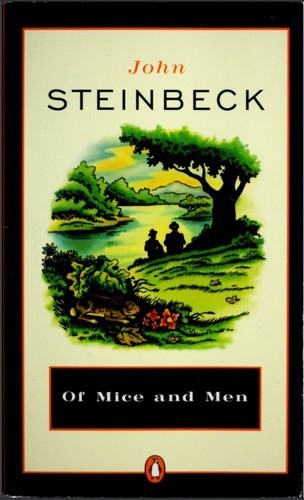
John Steinbeck
1937 · 107 pages
Two migrant workers and one small, doomed plan.
About the author: American novelist (1902–1968) who wrote working people with dignity.

Charles Dickens
1838 · 554 pages
A workhouse boy asks for more and London answers badly.
About the author: Victorian storyteller (1812–1870) famous for crowded London streets and big-hearted plots.

John Stuart Mill
1859 · 192 pages
How far a society may go before it silences a single voice.
About the author: A British writer of the nineteenth century, best known for this book.

Friedrich Nietzsche
1887 · 208 pages
Where our ideas of good and evil actually came from.
About the author: A German writer of the nineteenth century, best known for this book.

Lucretius
c. 55 BC · 288 pages
Atoms, mortality and calm, argued in Latin verse.
About the author: A writer of the ancient world, best known for this book.

Charles Darwin
1859 · 512 pages
One patient argument that rearranged the living world.
About the author: A British writer of the nineteenth century, best known for this book.

Jack Kerouac
1957 · 320 pages
America crossed at speed in search of something unnameable.
About the author: A American writer of the twentieth century, best known for this book.

Aleksandr Solzhenitsyn
1962 · 208 pages
A single camp day, and the dignity found inside it.
About the author: A Russian writer of the twentieth century, best known for this book.

Ken Kesey
1962 · 336 pages
A ward, a nurse, and a man who will not be managed.
About the author: A American writer of the twentieth century, best known for this book.

Gabriel García Márquez
1967 · 417 pages
Seven generations of Macondo, where miracles are routine.
About the author: Colombian Nobel laureate (1927–2014), the great voice of magical realism.

Edward Said
1978 · 432 pages
How the West wrote the East into being, and why it mattered.
About the author: A writer of the twentieth century, best known for this book.

Virginia Woolf
1928 · 333 pages
A poet lives four centuries and changes sex halfway.
About the author: Modernist writer (1882–1941) who followed thought and memory as they actually move.

William Shakespeare
1603 · 368 pages
Jealousy engineered by the most patient villain in drama.
About the author: English playwright (1564–1616), still the measure for verse drama and tragedy.

Charles Dickens
1865 · 800 pages
Money surfaces from the Thames and rots everything it touches.
About the author: Victorian storyteller (1812–1870) famous for crowded London streets and big-hearted plots.

Naguib Mahfouz
1956 · 512 pages
A Cairo household under a father's absolute rule.
About the author: A African writer of the twentieth century, best known for this book.

John Milton
1667 · 453 pages
Heaven's civil war, argued in the grandest English ever written.
About the author: A British writer of the early modern age, best known for this book.

Juan Rulfo
1955 · 124 pages
A son searches a village where everyone is already dead.
About the author: A Latin American writer of the twentieth century, best known for this book.

Jane Austen
1817 · 249 pages
A second chance, eight years late, written in a letter.
About the author: English novelist (1775–1817) who turned drawing-room manners into sharp comedy.

Andrei Bely
1913 · 368 pages
A ticking bomb inside a hallucinating capital.
About the author: A Russian writer of the twentieth century, best known for this book.

G. W. F. Hegel
1807 · 640 pages
Consciousness climbing, stage by stage, towards knowing itself.
About the author: A German writer of the nineteenth century, best known for this book.

Ludwig Wittgenstein
1953 · 320 pages
Meaning found not in logic but in how words are used.
About the author: A German writer of the twentieth century, best known for this book.

Aristotle
c. 335 BC · 144 pages
The first handbook on why stories work on us.
About the author: A writer of the ancient world, best known for this book.

Aldous Huxley
1928 · 448 pages
A novel of ideas arranged like a piece of music.
About the author: English novelist (1894–1963) who imagined comfort as its own kind of prison.

Aristotle
c. 350 BC · 512 pages
Man as a political animal, and the states that suit him.
About the author: A writer of the ancient world, best known for this book.

Erasmus
1511 · 208 pages
Folly herself takes the stage and mocks all of Christendom.
About the author: A writer of the early modern age, best known for this book.

Jane Austen
1813 · 432 pages
Wit, wealth and wounded pride in the drawing rooms of Regency England.
About the author: English novelist (1775–1817) who turned drawing-room manners into sharp comedy.

Ryūnosuke Akutagawa
1922 · 268 pages
Truth told four ways, none of them trustworthy.
About the author: A Japanese writer of the twentieth century, best known for this book.

Daphne du Maurier
1938 · 449 pages
A second wife, a great house, and a dead woman's grip.
About the author: A British writer of the twentieth century, best known for this book.

Edmund Burke
1790 · 400 pages
The case for inheritance and caution, made at full heat.
About the author: A British writer of the early modern age, best known for this book.

Thomas Paine
1791 · 288 pages
Plain words for revolution, written to be read aloud.
About the author: A British writer of the early modern age, best known for this book.

Daniel Defoe
1719 · 320 pages
One shipwreck, and twenty-eight years of improvised civilisation.
About the author: A British writer of the early modern age, best known for this book.

Tayeb Salih
1966 · 176 pages
Empire's violence returning to a village on the Nile.
About the author: A African writer of the twentieth century, best known for this book.

Antonio Gramsci
1947 · 592 pages
Hegemony worked out under fascism, in fragments.
About the author: A writer of the twentieth century, best known for this book.

Ralph Waldo Emerson
1841 · 128 pages
Trust yourself: American transcendentalism at full volume.
About the author: A American writer of the nineteenth century, best known for this book.

Jane Austen
1811 · 409 pages
Two sisters, two temperaments, and very little money.
About the author: English novelist (1775–1817) who turned drawing-room manners into sharp comedy.

William Empson
1930 · 288 pages
Close reading proving that good lines mean several things at once.
About the author: A British writer of the twentieth century, best known for this book.

Charlotte Brontë
1849 · 624 pages
Two women and a mill town on the edge of revolt.
About the author: Yorkshire novelist (1816–1855) whose heroines refuse to be small.

Hermann Hesse
1922 · 152 pages
One man's search for enlightenment, by every wrong road.
About the author: German-Swiss novelist (1877–1962) drawn to spiritual searching.

George Eliot
1861 · 224 pages
A miser loses his gold and is handed a child instead.
About the author: Pen name of Mary Ann Evans (1819–1880), the great English novelist of moral choice.

Theodore Dreiser
1900 · 576 pages
A young woman rises in Chicago while a man quietly falls.
About the author: A American writer of the twentieth century, best known for this book.

Kurt Vonnegut
1969 · 288 pages
Dresden, time travel, and a shrug at the shape of history.
About the author: American satirist (1922–2007), funny about the very worst things.

Yasunari Kawabata
1948 · 175 pages
A hot spring town, a geisha, and beauty that refuses to last.
About the author: Japanese Nobel laureate (1899–1972), spare and snow-lit.

Jun'ichirō Tanizaki
1929 · 208 pages
A marriage ending slowly between old Japan and new.
About the author: A Japanese writer of the twentieth century, best known for this book.

Toni Morrison
1977 · 400 pages
A man traces his family's name back to flight itself.
About the author: American Nobel laureate (1931–2019) writing Black life with mythic force.

D. H. Lawrence
1913 · 480 pages
A mining family, a mother's love, and a son who cannot leave.
About the author: English novelist (1885–1930) of bodies, instinct and industrial England.

Hermann Hesse
1927 · 256 pages
A divided man is offered a magic theatre of his own selves.
About the author: German-Swiss novelist (1877–1962) drawn to spiritual searching.

Émile Durkheim
1897 · 416 pages
The most private act, shown to follow social laws.
About the author: A French writer of the nineteenth century, best known for this book.

Laozi
c. 400 BC · 128 pages
Eighty-one short poems on yielding, water and rule.
About the author: A writer of the ancient world, best known for this book.

Thomas Hardy
1891 · 592 pages
A country girl punished by everyone for surviving.
About the author: English novelist and poet (1840–1928) drawn to fate and country life.

Arthur Conan Doyle
1892 · 307 pages
Twelve cases, one impossible mind, endless Baker Street fog.
About the author: A British writer of the nineteenth century, best known for this book.

Virgil
c. 19 BC · 442 pages
A refugee carries a burning city toward an unbuilt Rome.
About the author: Roman poet (70–19 BC) who gave Rome its founding epic.

Edith Wharton
1920 · 320 pages
Old New York punishes desire with perfect manners.
About the author: American novelist (1862–1937) dissecting old New York from the inside.

Confucius
c. 450 BC · 256 pages
Sayings on duty, ritual and the well-ordered life.
About the author: A writer of the ancient world, best known for this book.

Tacitus
117 · 464 pages
Empire, paranoia and rot, recorded in cold clean prose.
About the author: A writer of the ancient world, best known for this book.

Anonymous
1400 · 1088 pages
Storytelling as survival, one night at a time.
About the author: Author unknown — a work carried down by generations of readers.

Sun Tzu
c. 500 BC · 128 pages
Victory belongs to whoever has already won before fighting.
About the author: A writer of the ancient world, best known for this book.

Kate Chopin
1899 · 208 pages
A wife discovers she has a self, and nowhere to put it.
About the author: A American writer of the nineteenth century, best known for this book.

Sylvia Plath
1963 · 288 pages
A brilliant young woman describes her own descent precisely.
About the author: American poet and novelist (1932–1963), fierce and exact.

Anonymous
c. 200 BC · 176 pages
A warrior halts on the battlefield to ask what duty means.
About the author: Author unknown — a work carried down by generations of readers.

Fyodor Dostoevsky
1880 · 824 pages
Faith, patricide and free will argued at full volume.
About the author: Russian novelist (1821–1881) who put guilt, faith and obsession under the microscope.

Jack London
1903 · 176 pages
A dog is stolen south to north and remembers the wolf.
About the author: A American writer of the twentieth century, best known for this book.

Geoffrey Chaucer
1400 · 504 pages
Pilgrims trading stories, most of them scandalous.
About the author: A British writer of the early modern age, best known for this book.

Franz Kafka
1926 · 352 pages
A surveyor tries to reach an authority that will not answer.
About the author: Prague writer (1883–1924) whose bureaucratic nightmares gave us 'Kafkaesque'.

J. D. Salinger
1951 · 277 pages
Three days adrift in New York with a boy who won't pretend.
About the author: A American writer of the twentieth century, best known for this book.

Anton Chekhov
1904 · 384 pages
An estate sold while everyone talks about something else.
About the author: Russian doctor turned writer (1860–1904), master of the quiet short story.

Augustine
426 · 1184 pages
Rome falls, and a bishop rewrites the meaning of history.
About the author: A writer of the ancient world, best known for this book.

Karl Marx and Friedrich Engels
1848 · 96 pages
History read as a fight over who owns the means of living.
About the author: A German writer of the nineteenth century, best known for this book.

Jean-Jacques Rousseau
1782 · 656 pages
A life told with embarrassing, era-defining honesty.
About the author: A French writer of the early modern age, best known for this book.

Julius Caesar
c. 50 BC · 272 pages
A general's own account of the campaigns that made him.
About the author: A writer of the ancient world, best known for this book.

Boethius
524 · 208 pages
Written in a death cell: fortune's wheel and the good life.
About the author: A writer of the ancient world, best known for this book.

Alexandre Dumas
1844 · 1276 pages
The most patient revenge ever written down.
About the author: French storyteller (1802–1870), still the best at adventure and revenge.

Nathanael West
1939 · 192 pages
Hollywood as a crowd waiting for something to burn.
About the author: A American writer of the twentieth century, best known for this book.

Carlos Fuentes
1962 · 320 pages
A dying man audits the revolution he betrayed.
About the author: A Latin American writer of the twentieth century, best known for this book.

Leo Tolstoy
1886 · 128 pages
A respectable life re-examined from the deathbed.
About the author: Russian novelist (1828–1910), unmatched at vast casts and ordinary feeling.

Giovanni Boccaccio
1353 · 909 pages
Ten young people flee the plague and tell a hundred tales.
About the author: A writer of the early modern age, best known for this book.

Dante Alighieri
1320 · 432 pages
A guided descent through every way a soul can go wrong.
About the author: Florentine poet (1265–1321) who mapped the afterlife in terza rima.

Livy
c. 25 BC · 464 pages
Founding myths told as though they were minutes of a meeting.
About the author: A writer of the ancient world, best known for this book.

Anonymous
c. 2100 BC · 128 pages
The oldest story we have, and it is about losing a friend.
About the author: Author unknown — a work carried down by generations of readers.

Michel de Montaigne
1580 · 480 pages
The first modern mind, thinking out loud about everything.
About the author: A French writer of the early modern age, best known for this book.

Hamilton, Madison and Jay
1788 · 528 pages
Eighty-five essays inventing a constitution in public.
About the author: A American writer of the early modern age, best known for this book.

Marcel Mauss
1925 · 176 pages
Why no present is ever really free.
About the author: A French writer of the twentieth century, best known for this book.

James George Frazer
1890 · 928 pages
Magic, myth and kingship gathered from across the world.
About the author: A British writer of the nineteenth century, best known for this book.

Ford Madox Ford
1915 · 256 pages
The saddest story, told by the man least able to tell it.
About the author: A British writer of the twentieth century, best known for this book.

Jaroslav Hašek
1923 · 784 pages
An idiot's obedience dismantles an entire army.
About the author: A writer of the twentieth century, best known for this book.

John Steinbeck
1939 · 464 pages
A family driven west by dust and kept alive by stubborn dignity.
About the author: American novelist (1902–1968) who wrote working people with dignity.

F. Scott Fitzgerald
1925 · 180 pages
A green light across the bay, and a man inventing himself.
About the author: American novelist (1896–1940), chronicler of the Jazz Age and its hangover.

Margaret Atwood
1985 · 311 pages
A theocracy built overnight on women's bodies.
About the author: A writer of the twentieth century, best known for this book.

Joseph Campbell
1949 · 432 pages
One story shape underneath the myths of every culture.
About the author: A American writer of the twentieth century, best known for this book.

Herodotus
c. 430 BC · 784 pages
War, wonder and gossip at the birth of history writing.
About the author: A writer of the ancient world, best known for this book.

Edward Gibbon
1776 · 848 pages
The grandest sentences in English on the grandest collapse.
About the author: A British writer of the early modern age, best known for this book.

Edith Wharton
1905 · 368 pages
A beautiful woman with no money and no margin for error.
About the author: American novelist (1862–1937) dissecting old New York from the inside.

Isabel Allende
1982 · 496 pages
Four generations of women against a country's dark turn.
About the author: A Latin American writer of the twentieth century, best known for this book.

Victor Hugo
1831 · 512 pages
A cathedral as the real protagonist of medieval Paris.
About the author: French novelist and poet (1802–1885) of grand plots and public conscience.

Fyodor Dostoevsky
1869 · 667 pages
A genuinely good man dropped into St Petersburg society.
About the author: Russian novelist (1821–1881) who put guilt, faith and obsession under the microscope.

Homer
c. 750 BC · 704 pages
Nine years into a war, one man's rage changes everything.
About the author: Greek poet of the eighth century BC, source of Western epic.

Oscar Wilde
1895 · 96 pages
Two men, two false names, and the funniest play in English.
About the author: Irish wit (1854–1900), the finest epigram writer in English.

Sigmund Freud
1899 · 704 pages
The night mind read as a text with its own grammar.
About the author: A German writer of the nineteenth century, best known for this book.

H. G. Wells
1897 · 176 pages
A scientist unseen, and therefore unrestrained.
About the author: English pioneer of science fiction (1866–1946) and social prophecy.

Plato
c. 399 BC · 272 pages
A trial, a sentence, and a man arguing to the final cup.
About the author: Athenian philosopher (c. 428–348 BC) who wrote philosophy as conversation.

Giuseppe Tomasi di Lampedusa
1958 · 336 pages
A Sicilian prince watches his class die with perfect manners.
About the author: A writer of the nineteenth century, best known for this book.

Laurence Sterne
1759 · 704 pages
A memoir so full of digressions it never reaches its own birth.
About the author: A British writer of the early modern age, best known for this book.

James Boswell
1791 · 1360 pages
The greatest biography in English, thick with talk.
About the author: A British writer of the early modern age, best known for this book.

Sandra Gilbert and Susan Gubar
1979 · 768 pages
Nineteenth-century women writers and the rage beneath the plot.
About the author: A writer of the twentieth century, best known for this book.

Thomas Mann
1924 · 706 pages
Seven years in an Alpine sanatorium debating everything.
About the author: German novelist (1875–1955) of ideas, illness and cultural decline.

G. K. Chesterton
1908 · 208 pages
A council of anarchists that may be nothing but policemen.
About the author: A British writer of the twentieth century, best known for this book.

Robert Musil
1930 · 1130 pages
An empire's last summer, examined essay by brilliant essay.
About the author: A German writer of the twentieth century, best known for this book.

Mikhail Bulgakov
1967 · 384 pages
The devil visits Soviet Moscow with a talking cat.
About the author: A Russian writer of the twentieth century, best known for this book.

Franz Kafka
1915 · 201 pages
A salesman wakes as an insect and worries about work.
About the author: Prague writer (1883–1924) whose bureaucratic nightmares gave us 'Kafkaesque'.
George Eliot
1860 · 608 pages
A clever girl, a narrow town, and a river that settles it.
About the author: Pen name of Mary Ann Evans (1819–1880), the great English novelist of moral choice.

Wilkie Collins
1868 · 528 pages
The first great English detective novel, told by everyone at once.
About the author: English novelist (1824–1889), inventor of the sensation mystery.

Albert Camus
1942 · 212 pages
If life has no given meaning, why go on? An answer.
About the author: French-Algerian writer (1913–1960) on absurdity and stubborn decency.

Francis Bacon
1620 · 288 pages
Clear out the idols of the mind and start observing.
About the author: A British writer of the early modern age, best known for this book.

Homer
c. 700 BC · 560 pages
Ten years of sea, monsters and homesickness.
About the author: Greek poet of the eighth century BC, source of Western epic.

Ernest Hemingway
1952 · 127 pages
An old fisherman, one enormous marlin, and pure endurance.
About the author: American novelist (1899–1961) whose short sentences changed prose.

Karl Popper
1945 · 800 pages
A wartime defence of criticism against the makers of utopias.
About the author: A writer of the twentieth century, best known for this book.

Aeschylus
c. 458 BC · 336 pages
Blood answers blood until a court is invented to stop it.
About the author: A writer of the ancient world, best known for this book.

Hannah Arendt
1951 · 704 pages
How mass loneliness becomes a machine for terror.
About the author: A German writer of the twentieth century, best known for this book.

Xenophon
c. 370 BC · 384 pages
Ten thousand Greeks, lost in Asia, marching for the sea.
About the author: A writer of the ancient world, best known for this book.

Oscar Wilde
1890 · 256 pages
Beauty kept perfect at a price paid somewhere upstairs.
About the author: Irish wit (1854–1900), the finest epigram writer in English.

Albert Camus
1947 · 320 pages
A quarantined city and the ordinary decency it discovers.
About the author: French-Algerian writer (1913–1960) on absurdity and stubborn decency.

Henry James
1881 · 656 pages
An American heiress in Europe, choosing badly and knowing it.
About the author: Anglo-American novelist (1843–1916), subtle to the last comma.

Niccolò Machiavelli
1532 · 144 pages
Power described without the comfort of morality.
About the author: A writer of the early modern age, best known for this book.

Max Weber
1905 · 320 pages
How a religious temperament became an economic engine.
About the author: A German writer of the twentieth century, best known for this book.

Stendhal
1830 · 576 pages
A carpenter's son climbs France by seduction and hypocrisy.
About the author: French novelist (1783–1842) of ambition and self-invention.

Walter Pater
1873 · 224 pages
Burn with a hard gemlike flame: aestheticism's manifesto.
About the author: A British writer of the nineteenth century, best known for this book.

Plato
c. 375 BC · 416 pages
Justice defined by building an imaginary city from scratch.
About the author: Athenian philosopher (c. 428–348 BC) who wrote philosophy as conversation.

Thomas Hardy
1878 · 480 pages
Egdon Heath keeps its own ideas about human happiness.
About the author: English novelist and poet (1840–1928) drawn to fate and country life.

Plutarch
100 · 320 pages
Character studies of the men who made and unmade a city.
About the author: A writer of the ancient world, best known for this book.

Ian Watt
1957 · 336 pages
Where the English novel came from, and what it was for.
About the author: A British writer of the twentieth century, best known for this book.

F. A. Hayek
1944 · 288 pages
The warning that planning the economy plans the person.
About the author: A writer of the twentieth century, best known for this book.

Omar Khayyám
1120 · 96 pages
Wine, dust and mortality in four-line bursts.
About the author: A writer of the ancient world, best known for this book.

Claude Lévi-Strauss
1962 · 320 pages
Untrained thought shown to be as rigorous as any science.
About the author: A French writer of the twentieth century, best known for this book.

Nathaniel Hawthorne
1850 · 279 pages
A letter stitched in red, and a town that can't stop reading it.
About the author: American novelist (1804–1864) haunted by Puritan guilt.

Simone de Beauvoir
1949 · 800 pages
How woman was made into the other, and what follows.
About the author: A French writer of the twentieth century, best known for this book.

Joseph Conrad
1907 · 288 pages
Anarchists, informers, and a bomb that kills the wrong person.
About the author: Polish-born sailor turned English novelist (1857–1924) of moral fog at sea.

Jean-Jacques Rousseau
1762 · 192 pages
Born free, everywhere in chains — and what to do about it.
About the author: A French writer of the early modern age, best known for this book.

W. E. B. Du Bois
1903 · 288 pages
Double consciousness named, in essays that still cut.
About the author: A American writer of the twentieth century, best known for this book.

William Faulkner
1929 · 326 pages
A Southern family's collapse told by four unreliable minds.
About the author: American modernist (1897–1962) mapping one Mississippi county forever.

Cao Xueqin
1791 · 544 pages
A great house, its cousins, and everything that must fade.
About the author: A writer of the early modern age, best known for this book.

Robert Louis Stevenson
1886 · 144 pages
A respectable doctor and the door he shouldn't have opened.
About the author: Scottish novelist (1850–1894), a born adventure writer.

Albert Camus
1942 · 123 pages
A man convicted less for murder than for not crying.
About the author: French-Algerian writer (1913–1960) on absurdity and stubborn decency.

Thomas S. Kuhn
1962 · 264 pages
Science does not creep forward; it lurches. Here is why.
About the author: A American writer of the twentieth century, best known for this book.

Ernest Hemingway
1926 · 251 pages
Paris, Pamplona, and a generation that can't say what hurts.
About the author: American novelist (1899–1961) whose short sentences changed prose.

Plato
c. 385 BC · 128 pages
A drinking party where everyone must speak in praise of love.
About the author: Athenian philosopher (c. 428–348 BC) who wrote philosophy as conversation.

Murasaki Shikibu
1010 · 1216 pages
The world's first novel: a Heian prince and endless longing.
About the author: A Japanese writer of the ancient world, best known for this book.

William Shakespeare
1611 · 240 pages
An island, a magician, and a decision to forgive.
About the author: English playwright (1564–1616), still the measure for verse drama and tragedy.

Yukio Mishima
1956 · 272 pages
Beauty so unbearable that it must be burned down.
About the author: Japanese novelist (1925–1970), beautiful and unsettling in equal measure.
Anne Brontë
1848 · 512 pages
A woman flees her marriage and refuses to be pitied for it.
About the author: A British writer of the nineteenth century, best known for this book.

Sophocles
c. 429 BC · 432 pages
A king solves a riddle and discovers he is the answer.
About the author: Athenian tragedian (c. 497–406 BC) and author of the tightest plots in drama.

H. G. Wells
1895 · 118 pages
A traveller visits the end of humanity and comes back sad.
About the author: English pioneer of science fiction (1866–1946) and social prophecy.

Franz Kafka
1925 · 255 pages
Arrested for an unnamed crime by an unreachable court.
About the author: Prague writer (1883–1924) whose bureaucratic nightmares gave us 'Kafkaesque'.

H. G. Wells
1898 · 208 pages
An empire discovers what invasion feels like from below.
About the author: English pioneer of science fiction (1866–1946) and social prophecy.

Virginia Woolf
1931 · 240 pages
Six voices, one life-long tide of consciousness.
About the author: Modernist writer (1882–1941) who followed thought and memory as they actually move.

Samuel Butler
1903 · 448 pages
Four generations of Victorian piety dismantled from within.
About the author: A British writer of the twentieth century, best known for this book.

Adam Smith
1776 · 1264 pages
Where prosperity comes from, in the age that invented economics.
About the author: A British writer of the early modern age, best known for this book.

Wilkie Collins
1859 · 672 pages
A midnight encounter on a road, then a conspiracy of identities.
About the author: English novelist (1824–1889), inventor of the sensation mystery.

Arthur Schopenhauer
1818 · 592 pages
Blind striving beneath everything, and art as the brief escape.
About the author: A German writer of the nineteenth century, best known for this book.

Frantz Fanon
1961 · 320 pages
Colonialism examined by a psychiatrist who had seen its wards.
About the author: A African writer of the twentieth century, best known for this book.

Zora Neale Hurston
1937 · 219 pages
Janie tells her own story, three husbands and one hurricane later.
About the author: American novelist and folklorist (1891–1960) with a superb ear for speech.

Émile Zola
1867 · 256 pages
Murder, and the marriage that has to live with it.
About the author: French novelist (1840–1902) documenting poverty and appetite without flinching.

Chinua Achebe
1958 · 209 pages
An Igbo strongman and the missionaries who unmake his world.
About the author: Nigerian novelist (1930–2013) who told the colonial encounter from inside.

Friedrich Nietzsche
1883 · 352 pages
A prophet comes down from the mountain to unsettle everything.
About the author: A German writer of the nineteenth century, best known for this book.

Harper Lee
1960 · 336 pages
A small town's conscience, seen from a child's porch step.
About the author: A American writer of the twentieth century, best known for this book.

Virginia Woolf
1927 · 209 pages
A summer house, a delayed trip, and time passing anyway.
About the author: Modernist writer (1882–1941) who followed thought and memory as they actually move.

Ludwig Wittgenstein
1921 · 128 pages
Seven numbered propositions that try to end philosophy.
About the author: A German writer of the twentieth century, best known for this book.

Robert Louis Stevenson
1883 · 311 pages
A map, a one-legged cook, and the invention of pirates.
About the author: Scottish novelist (1850–1894), a born adventure writer.

John Locke
1689 · 464 pages
Property, consent and the right to throw out a bad ruler.
About the author: A British writer of the early modern age, best known for this book.
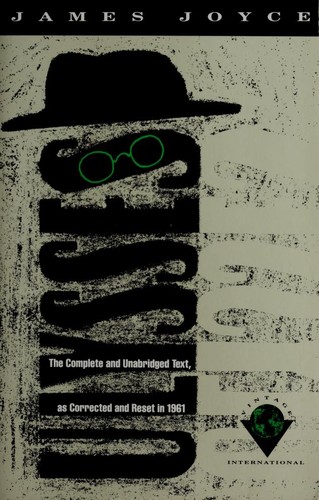
James Joyce
1922 · 783 pages
One Dublin day rebuilt from the inside of three heads.
About the author: Irish modernist (1882–1941) who rebuilt the novel around a single Dublin day.

Thomas More
1516 · 160 pages
A perfect island described so straight you cannot tell the joke.
About the author: A British writer of the early modern age, best known for this book.

William Makepeace Thackeray
1848 · 912 pages
A novel without a hero, and Becky Sharp instead.
About the author: A British writer of the nineteenth century, best known for this book.

Charlotte Brontë
1853 · 576 pages
Loneliness rendered with almost unbearable precision.
About the author: Yorkshire novelist (1816–1855) whose heroines refuse to be small.

Samuel Beckett
1953 · 109 pages
Two men wait. Nothing happens, twice, brilliantly.
About the author: Irish writer (1906–1989) who reduced theatre to waiting.

Henry David Thoreau
1854 · 352 pages
Two years in a cabin, arguing for a smaller, sharper life.
About the author: A American writer of the nineteenth century, best known for this book.

Leo Tolstoy
1869 · 1296 pages
Empires collide while people fall in and out of love.
About the author: Russian novelist (1828–1910), unmatched at vast casts and ordinary feeling.

Yevgeny Zamyatin
1924 · 240 pages
The glass city that Orwell and Huxley both learned from.
About the author: A Russian writer of the twentieth century, best known for this book.

Sherwood Anderson
1919 · 240 pages
Small-town lives caught at the moment they go quietly wrong.
About the author: A American writer of the twentieth century, best known for this book.

Flannery O'Connor
1952 · 256 pages
A preacher of nothing, undone by the grace he denies.
About the author: A American writer of the twentieth century, best known for this book.

D. H. Lawrence
1920 · 576 pages
Two sisters test whether love and selfhood can coexist.
About the author: English novelist (1885–1930) of bodies, instinct and industrial England.

Emily Brontë
1847 · 416 pages
Love as weather: violent, elemental, impossible to shelter from.
About the author: Poet-novelist (1818–1848) who wrote one wild, weather-beaten masterpiece.

Nikos Kazantzakis
1946 · 336 pages
A bookish man meets a body that lives without hesitation.
About the author: A writer of the twentieth century, best known for this book.